1/5
SweetnessDrySweet
The grape archive
Muscat
In a blind Wineflight, we look for grape, orange blossom and ginger, combined with fresh acidity and a medium-bodied texture. The balance between fruit, freshness and mouthfeel provides the most useful clues.
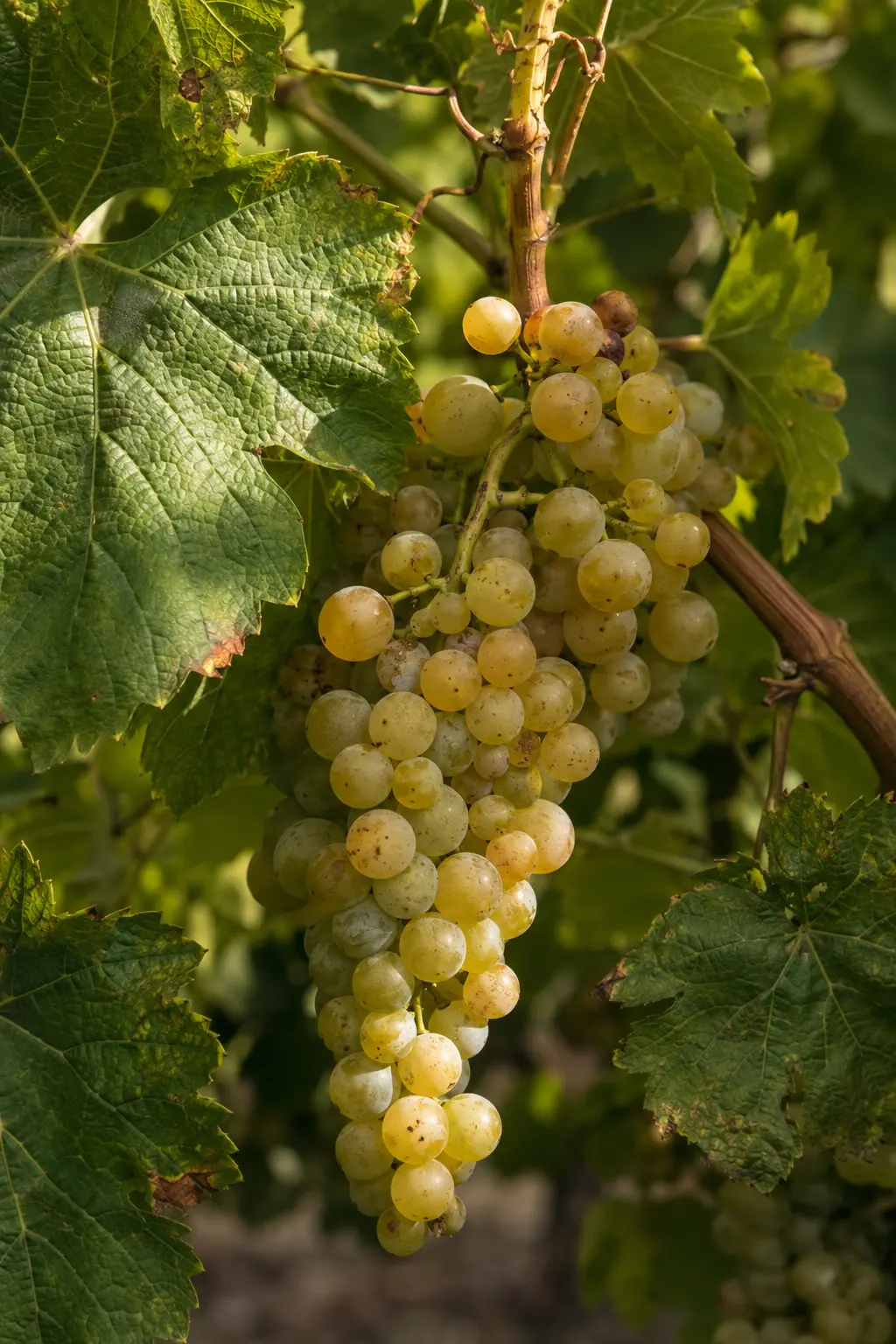
Typical flavour register
In the glass
These scales describe a representative dry expression. Climate, harvest date, yields and winemaking can move an individual wine in another direction.
DrySweet
SoftFresh
SilkyFirm
LightFull
SavouryFruit-led
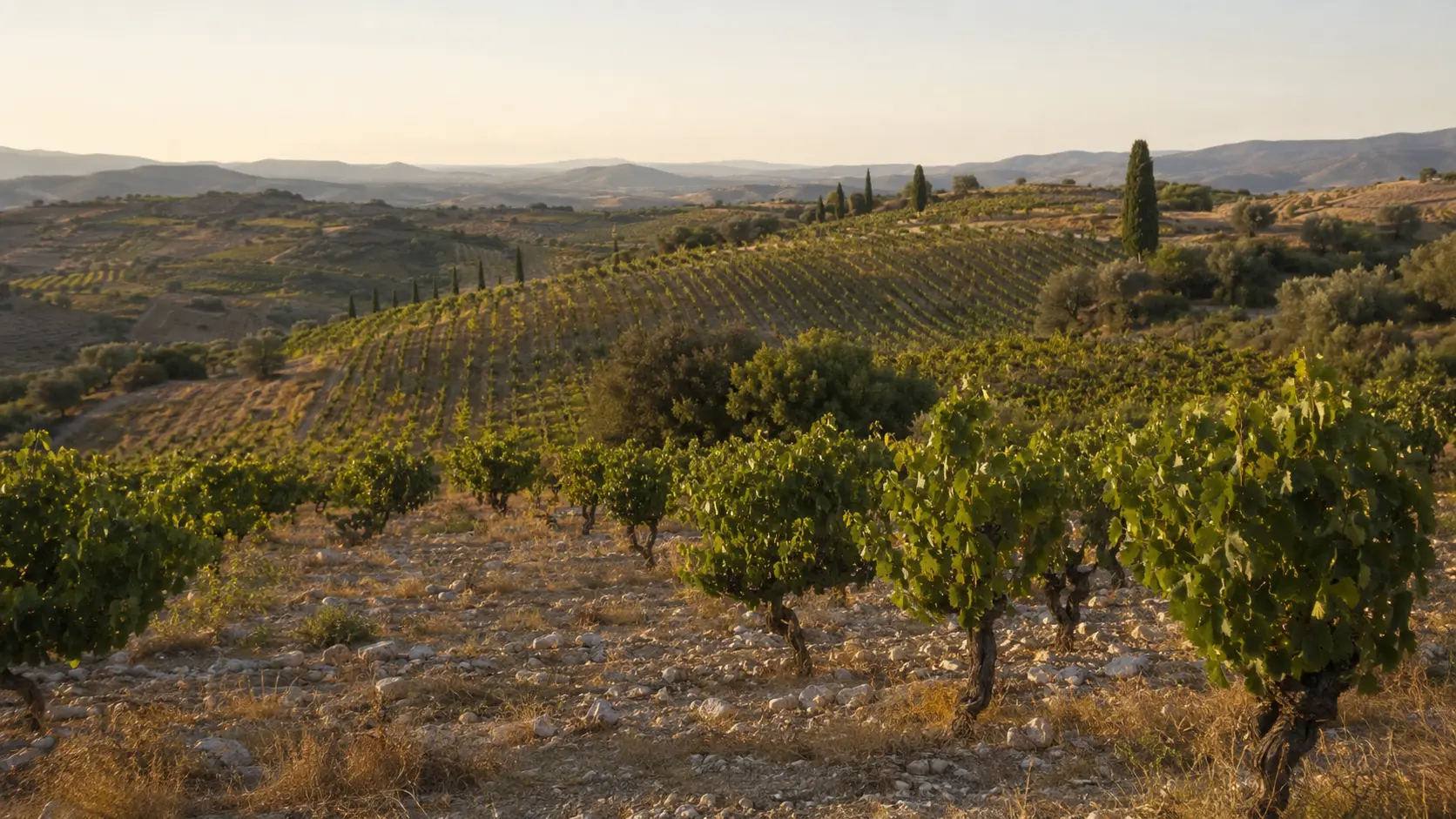
Where it grows
The first country is the grape’s principal reference point; the remaining countries show important established cultivation rather than a complete planting census.
Alsace
Asti · Sicily
Three useful expressions
Fresh fruit and stainless-steel ageing keep the wine direct and energetic.
Lees contact, ripe fruit or subtle oak can add breadth without losing freshness.
Selected sites and careful maturation create more layered, cellar-worthy wines.
Handling
At the table
How we recognise this grape
In a blind Wineflight, we first look for grape, orange blossom and ginger. We then test that impression against lively to high acidity and a medium-bodied texture; the balance between aroma, freshness and texture is more reliable than any single scent. Muscat is one of the few grapes that can smell unmistakably of fresh grapes, linking dry aperitif wines to sweet and fortified styles across Europe.
This is a practical tasting cue from our Wineflight experience, not a fixed recipe: origin, ripeness and winemaking can shift the profile.