1/5
SweetnessDrySweet
The grape archive
Petit Verdot
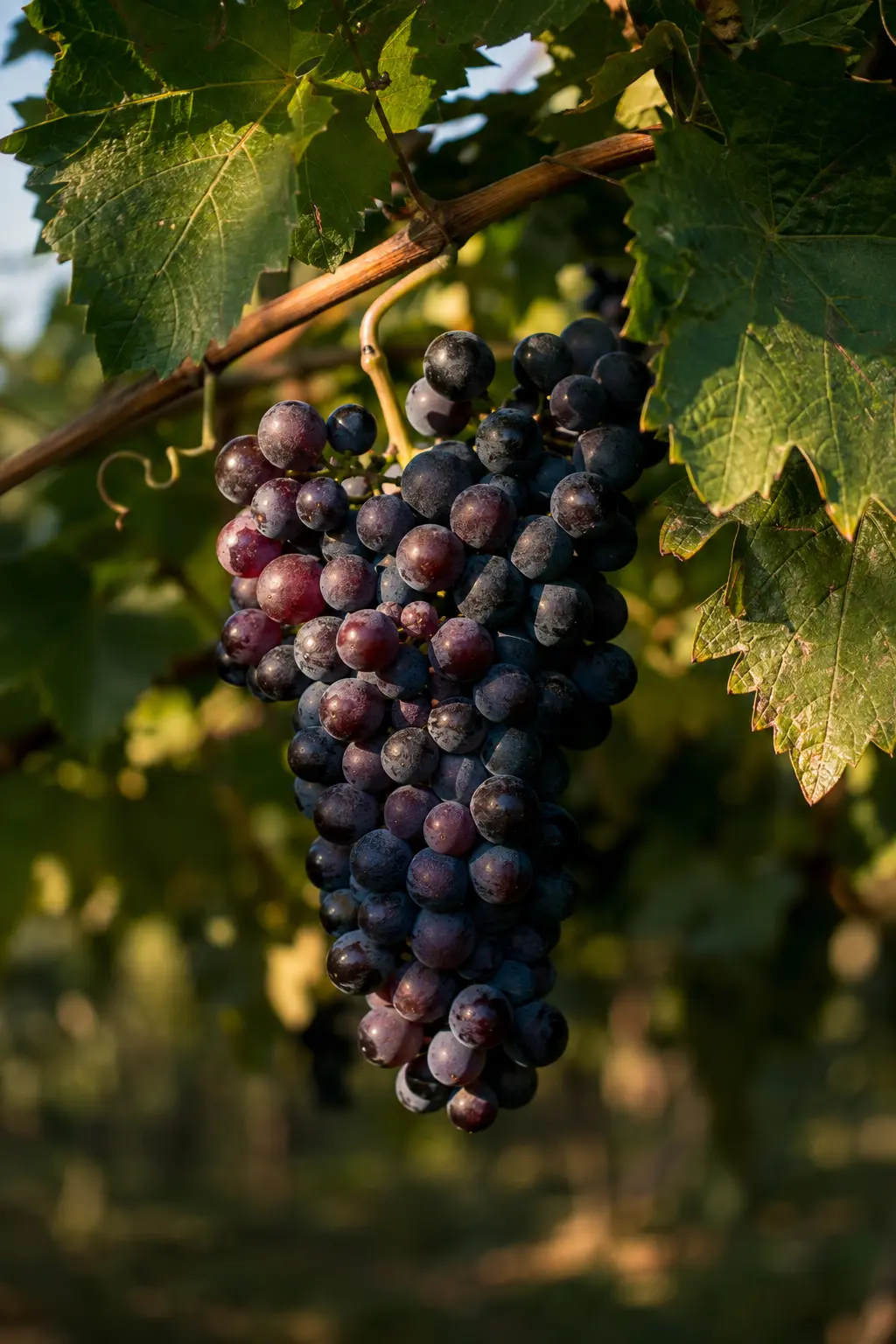
A late-ripening Bordeaux grape that contributes deep colour, violet, spice and muscular tannin to blends.
Typical flavour register
In the glass
These scales describe a representative dry expression. Climate, harvest date, yields and winemaking can move an individual wine in another direction.
DrySweet
SoftFresh
SilkyFirm
LightFull
SavouryFruit-led
Where it grows
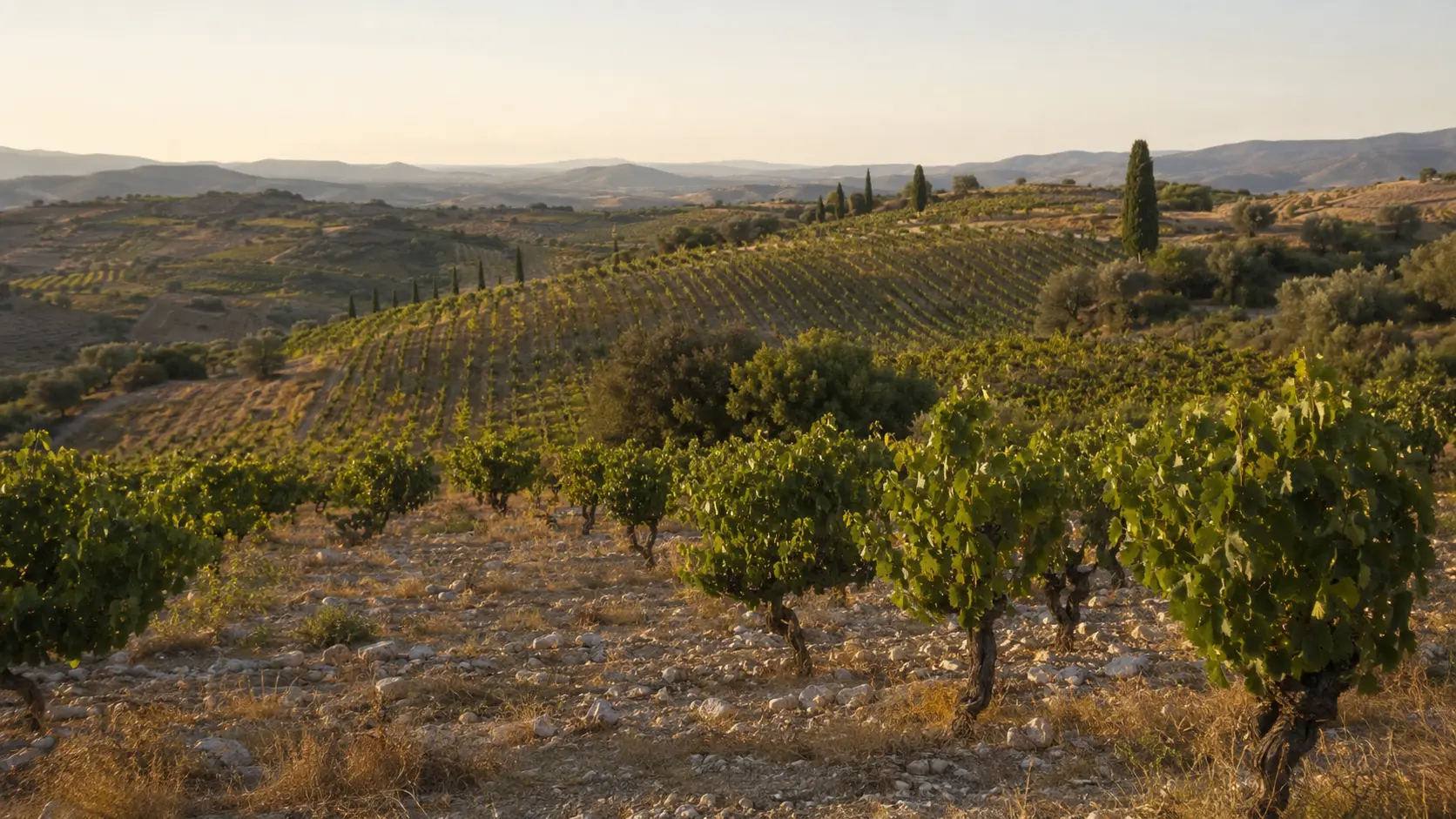
The first country is the grape’s principal reference point; the remaining countries show important established cultivation rather than a complete planting census.
Bordeaux · Médoc
Napa Valley
Three useful expressions
Juicy fruit, moderate extraction and little oak emphasise immediate pleasure.
The grape’s familiar balance of fruit, structure, spice and place.
Lower yields, selected sites and careful ageing build concentration and longevity.
Handling
At the table
How we recognise this grape
In a blind Wineflight, we first look for blackberry, violet and black plum. On the palate, lively to high acidity, clearly present but moderate tannin and a broad, full body provide the structural check: aroma alone is never enough to identify Petit Verdot. Petit Verdot ripens late and is used sparingly to add colour, violet perfume, spice and tannic backbone to Bordeaux-style blends.
This is a practical tasting cue from our Wineflight experience, not a fixed recipe: origin, ripeness and winemaking can shift the profile.