1/5
SweetnessDrySweet
The grape archive
Picpoul
Picpoul is a variety with a distinct regional identity.
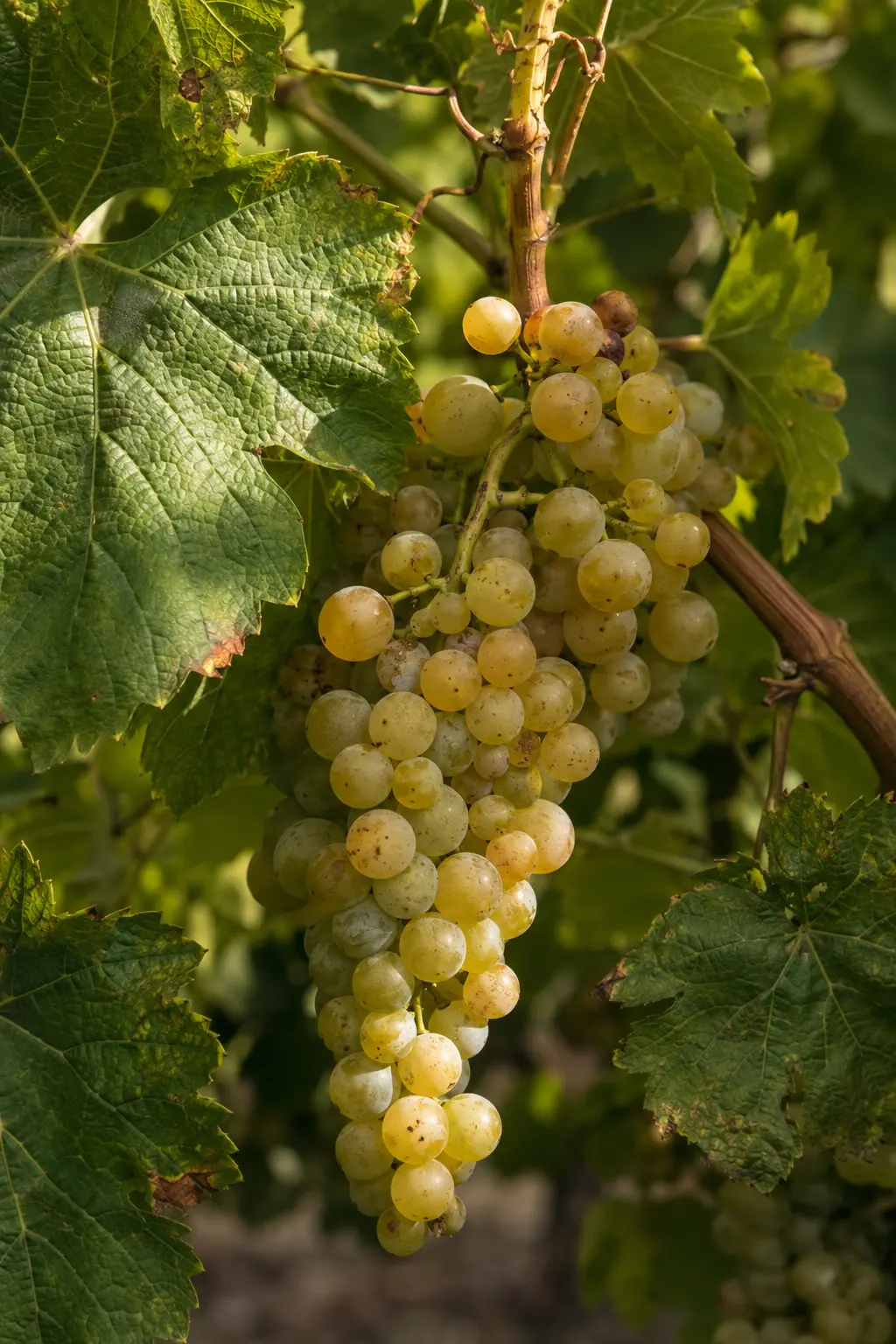
Typical flavour register
In the glass
These scales describe a representative dry expression. Climate, harvest date, yields and winemaking can move an individual wine in another direction.
DrySweet
SoftFresh
SilkyFirm
LightFull
SavouryFruit-led
Where it grows
The first country is the grape’s principal reference point; the remaining countries show important established cultivation rather than a complete planting census.
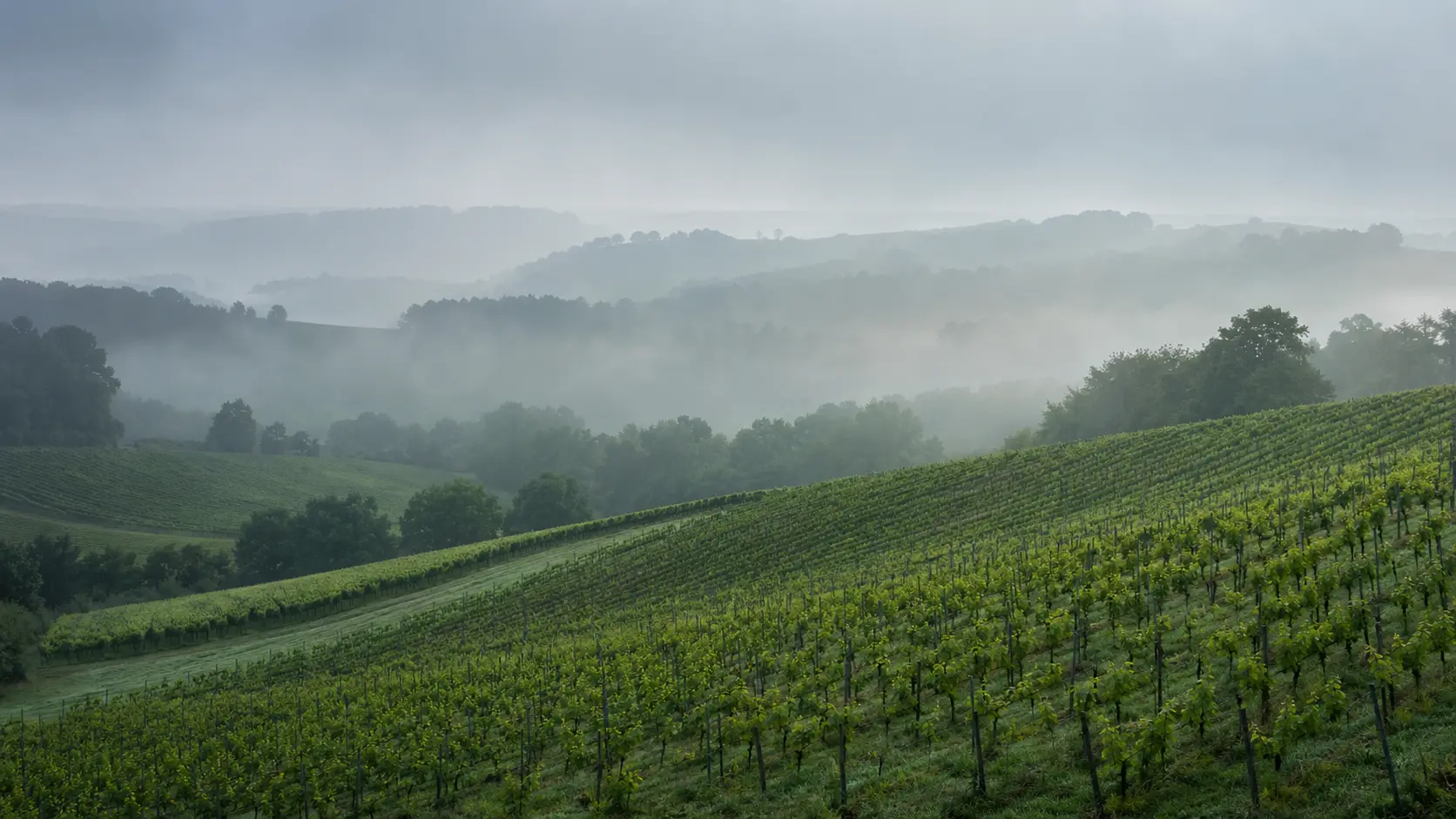
Picpoul de Pinet · Thau · Languedoc
Three useful expressions
Fresh fruit and stainless-steel ageing keep the wine direct and energetic.
Lees contact, ripe fruit or subtle oak can add breadth without losing freshness.
Selected sites and careful maturation create more layered, cellar-worthy wines.
Handling
At the table
Why Picpoul matters
Picpoul’s name means ‘lip-stinger’: its piercing acidity is exactly why Picpoul de Pinet works so well with oysters and shellfish.
The best examples balance the grape’s natural character with climate, soil and cellar choices. Treat the profile as a compass rather than a fixed recipe.