1/5
SweetnessDrySweet
The grape archive · Sample profile 001
Αγιωργίτικο
ah-your-YEEK-tee-ko
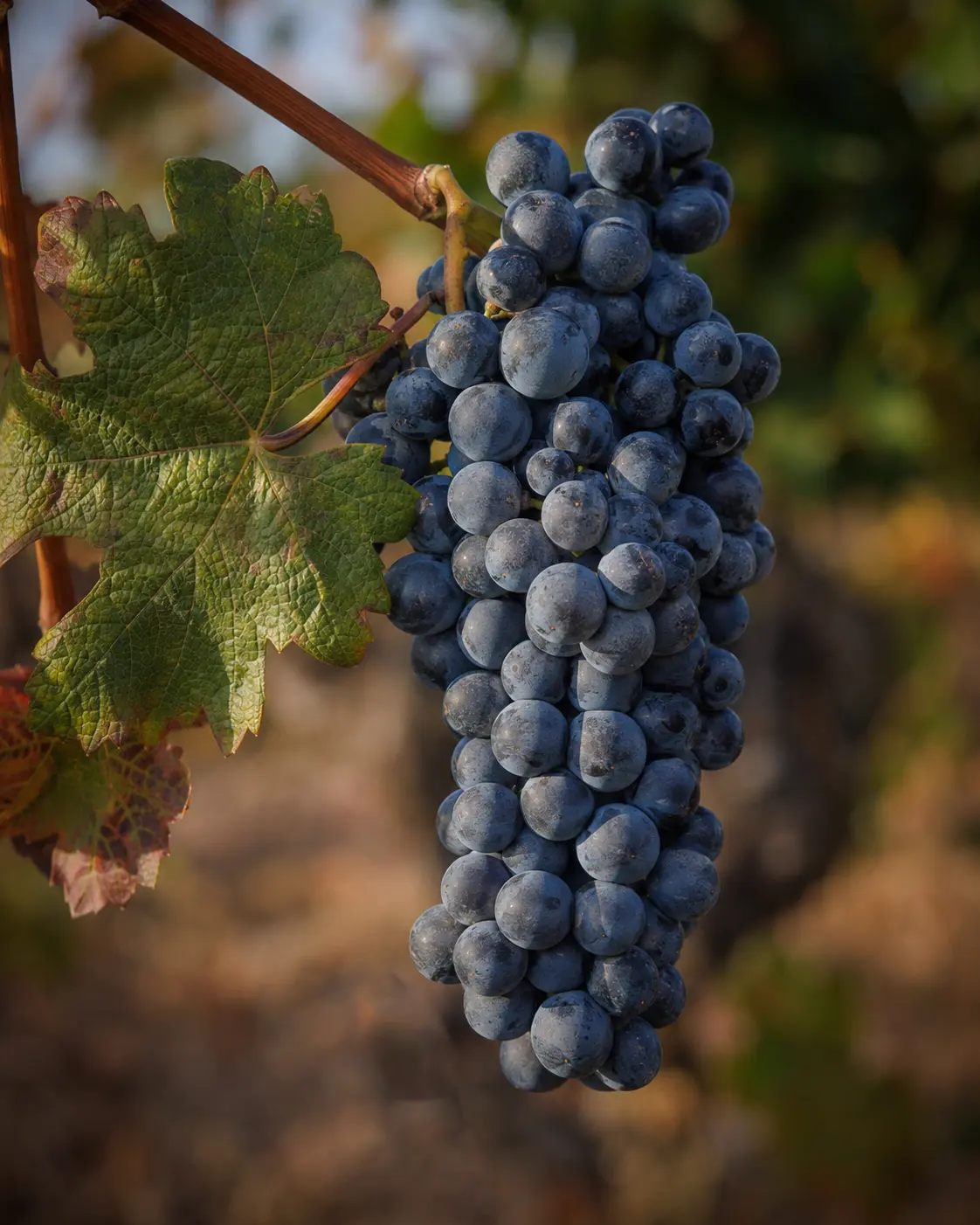
Greece’s most widely planted red grape can be bright and immediately fruity or structured enough to age. Its clearest reference point is Nemea, where altitude changes the expression from generous and ripe to fresher and firmer.
Typical flavour register
In the glass
Agiorgitiko is unusually flexible. Vineyard height, yield and cellar choices matter, so these scales describe the classic dry red expression rather than every possible bottle.
DrySweet
SoftFresh
SilkyFirm
LightFull
SavouryFruit-led
Where it grows
Agiorgitiko is a major red variety within Greece, but outside its home country the footprint is tiny. The visual distinguishes established cultivation from reported experimental plantings.
Nemea, the Peloponnese, Attica and northern mainland regions
Rare research plots and micro-vinifications
Very small Californian plantings are reported
Very small trial plantings are reported
Three useful expressions
Juicy red fruit, moderate structure and little or no oak. Often best enjoyed young.
Red and dark fruit, sweet spice, velvety texture and enough tannin for the table.
Higher-altitude fruit and careful ageing can give firmer, fresher wines with real cellar potential.
Handling
At the table
Why Nemea matters
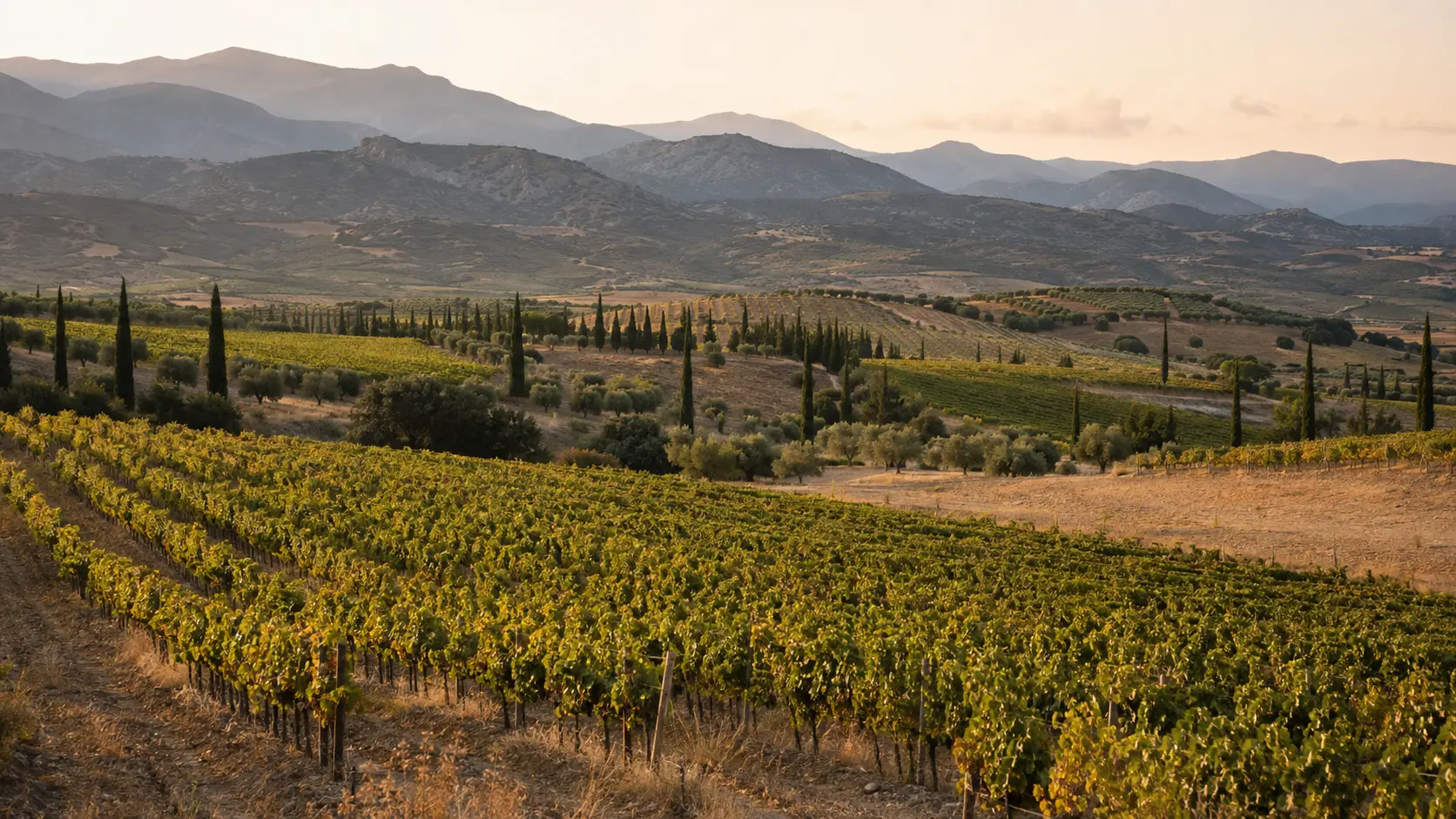
PDO Nemea red wine is made from 100% Agiorgitiko. Vineyards rise from roughly 200 to 850 metres, creating markedly different ripening conditions and wine styles.
The lower, warmer sites tend towards riper and more generous wines. Higher sites usually retain more freshness and can produce firmer, longer-lived expressions. That range is the key to understanding the grape.