1/5
SweetnessDrySweet
The grape archive
Albariño
Albariño is the Atlantic white grape of Rías Baixas: aromatic yet dry, with citrus and peach held taut by high acidity and a saline finish.
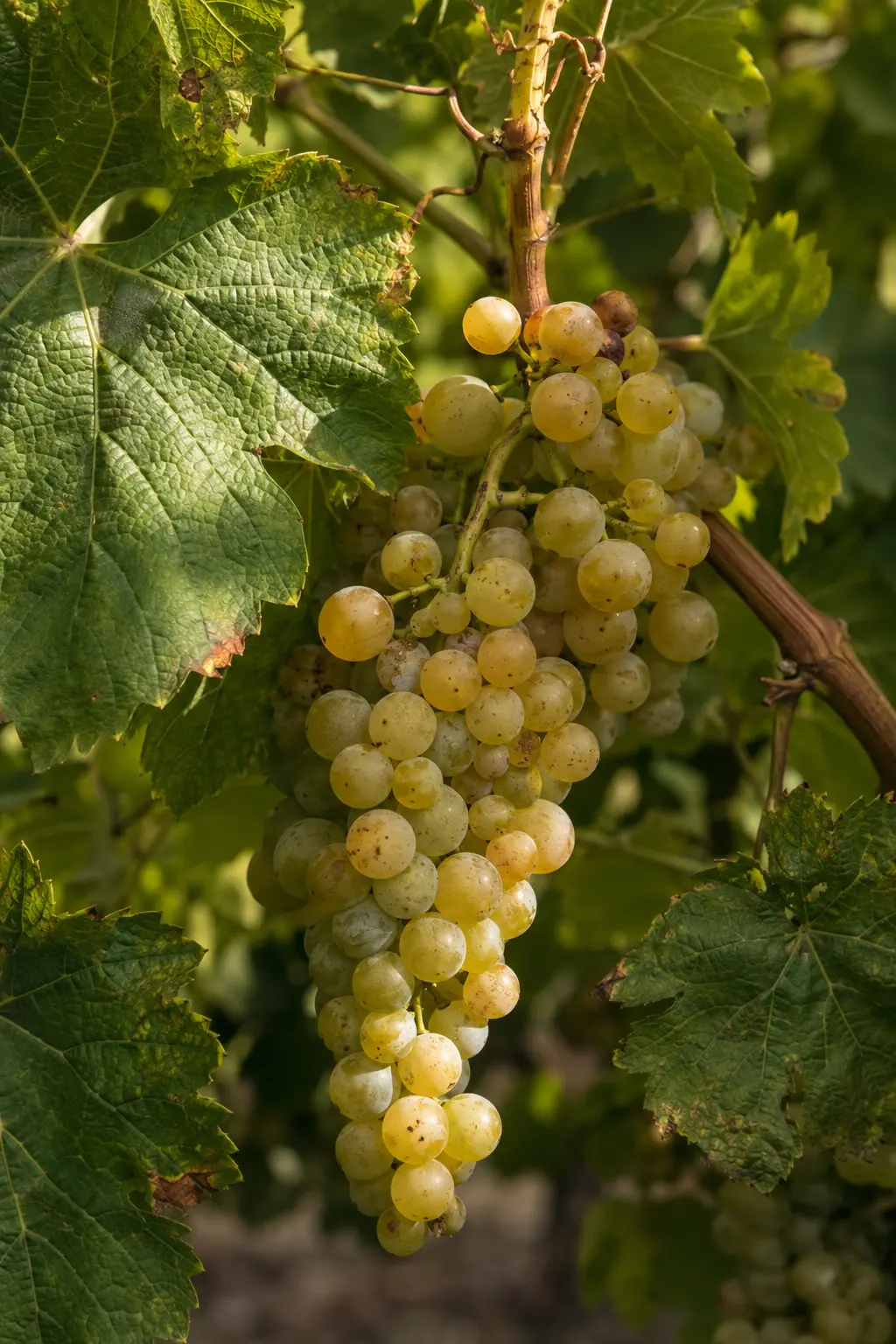
Typical flavour register
In the glass
These scales describe a representative dry expression. Climate, harvest date, yields and winemaking can move an individual wine in another direction.
DrySweet
SoftFresh
SilkyFirm
LightFull
SavouryFruit-led
Where it grows
The first country is the grape’s principal reference point; the remaining countries show important established cultivation rather than a complete planting census.
Rías Baixas · Val do Salnés · O Rosal
Maldonado
Atlantic comparison
Both countries produce dry, Atlantic-influenced Albariño, but origin is not a fixed recipe: vineyard site, harvest date and winemaking remain decisive.
Usually taut and lively, with citrus, white peach, medium-high natural acidity and often a saline or stony impression. Even within Rías Baixas, Val do Salnés and O Rosal can show different accents.
Coastal examples can feel a little riper and rounder, with peach and citrus alongside a fresh, saline line. Atlantic wind and cool nights help preserve tension; this is a stylistic tendency, not a rule.
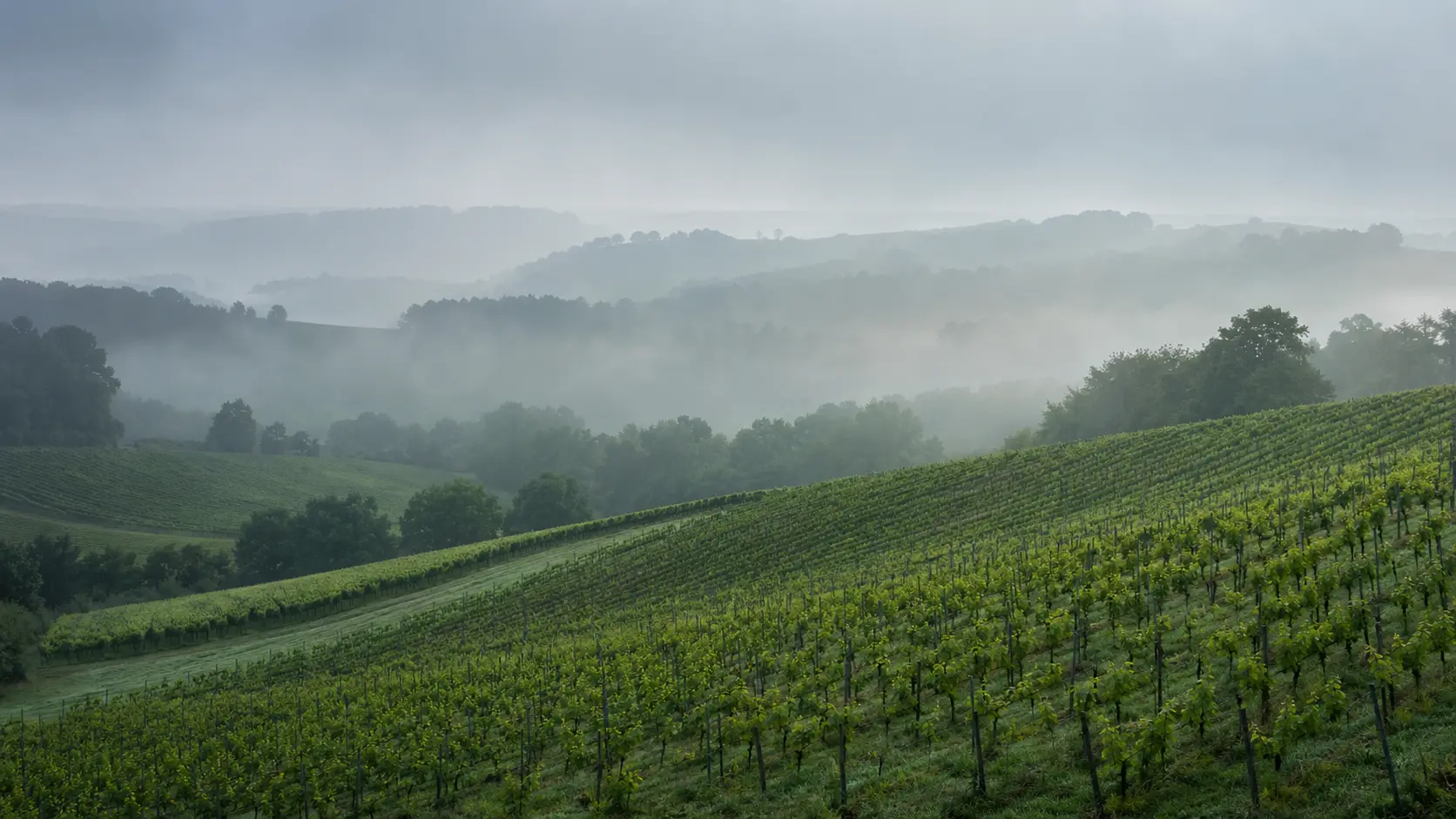
Three useful expressions
Fresh fruit and stainless-steel ageing keep the wine direct and energetic.
Lees contact, ripe fruit or subtle oak can add breadth without losing freshness.
Selected sites and careful maturation create more layered, cellar-worthy wines.
Handling
At the table
How we recognise this grape
Albariño often smells of citrus, peach and white flowers, but the decisive clue is its salty, mouth-watering freshness. That combination makes it feel both aromatic and sharply maritime.
This is a practical tasting cue from our Wineflight experience, not a fixed recipe: origin, ripeness and winemaking can shift the profile.