2/5
SweetnessDrySweet
The grape archive
SHEN-in blonk
High acidity and an unusual aptitude for dry, sweet, sparkling and long-lived wines make Chenin Blanc one of the most versatile white grapes.
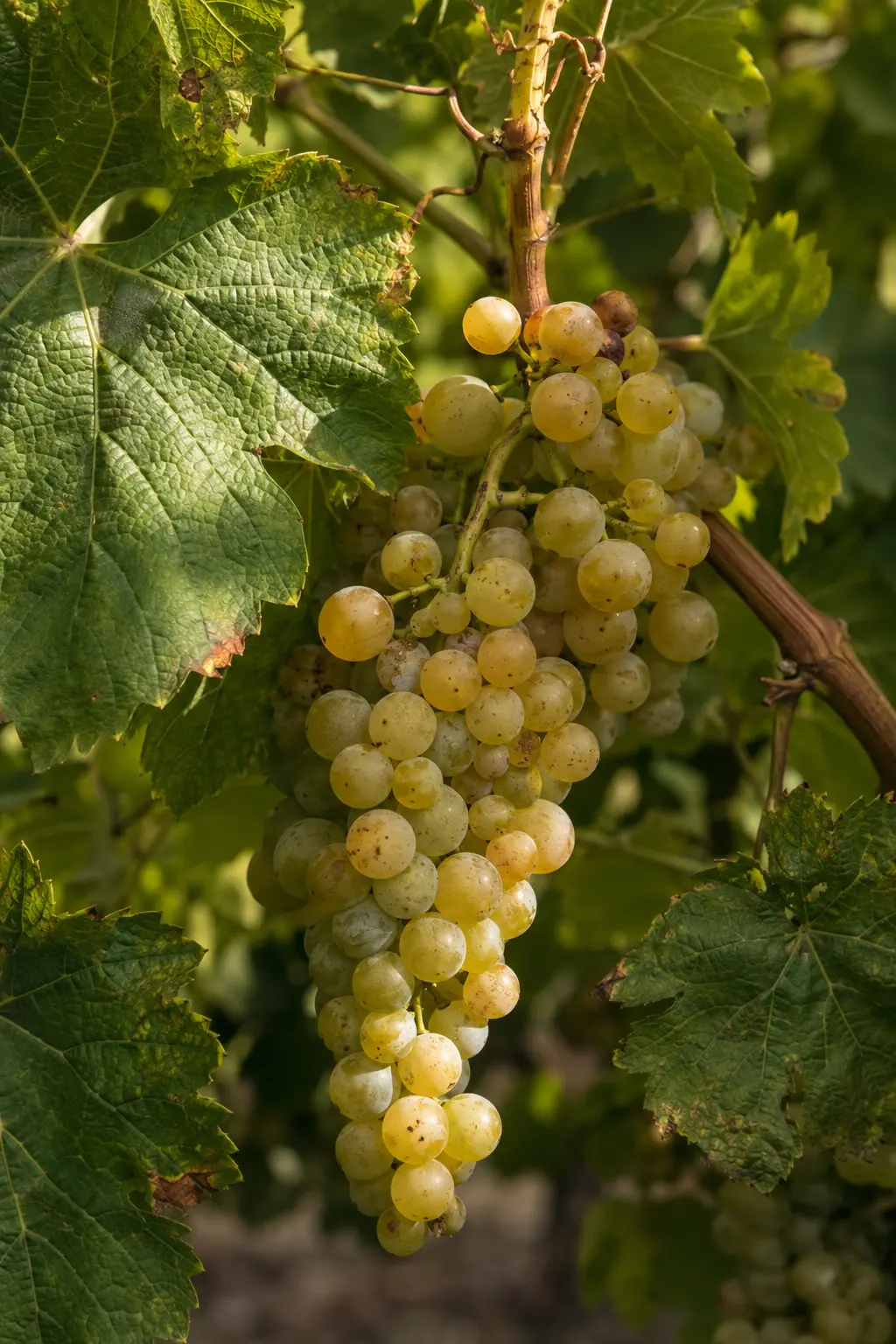
Typical flavour register
In the glass
These scales describe a representative dry expression. Climate, harvest date, yields and winemaking can move an individual wine in another direction.
DrySweet
SoftFresh
SilkyFirm
LightFull
SavouryFruit-led
Where it grows
The first country is the grape’s principal reference point; the remaining countries show important established cultivation rather than a complete planting census.
Vouvray · Savennières · Anjou · Saumur
Stellenbosch
Smaller but established plantings
Smaller but established plantings
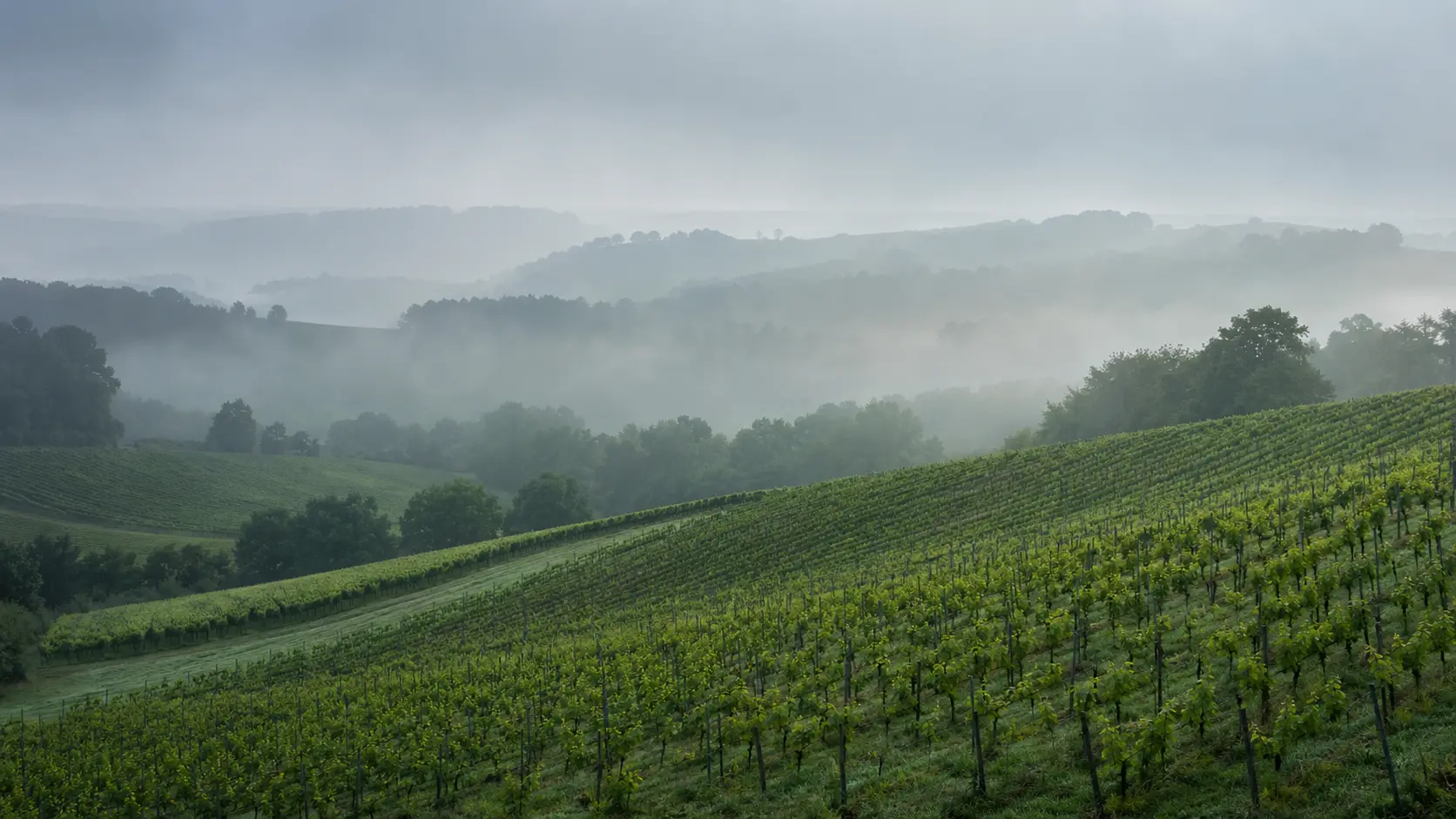
Three useful expressions
Fresh fruit and stainless-steel ageing keep the wine direct and energetic.
Lees contact, ripe fruit or subtle oak can add breadth without losing freshness.
Selected sites and careful maturation create more layered, cellar-worthy wines.
Handling
At the table
How we recognise this grape
Chenin Blanc often reveals itself through high acidity combined with apple, quince and a slightly waxy or honeyed note. Even when the wine has some sweetness, that firm freshness usually remains the clue.
This is a practical tasting cue from our Wineflight experience, not a fixed recipe: origin, ripeness and winemaking can shift the profile.