2/5
SweetnessDrySweet
The grape archive
geh-VURTS-tra-mee-ner
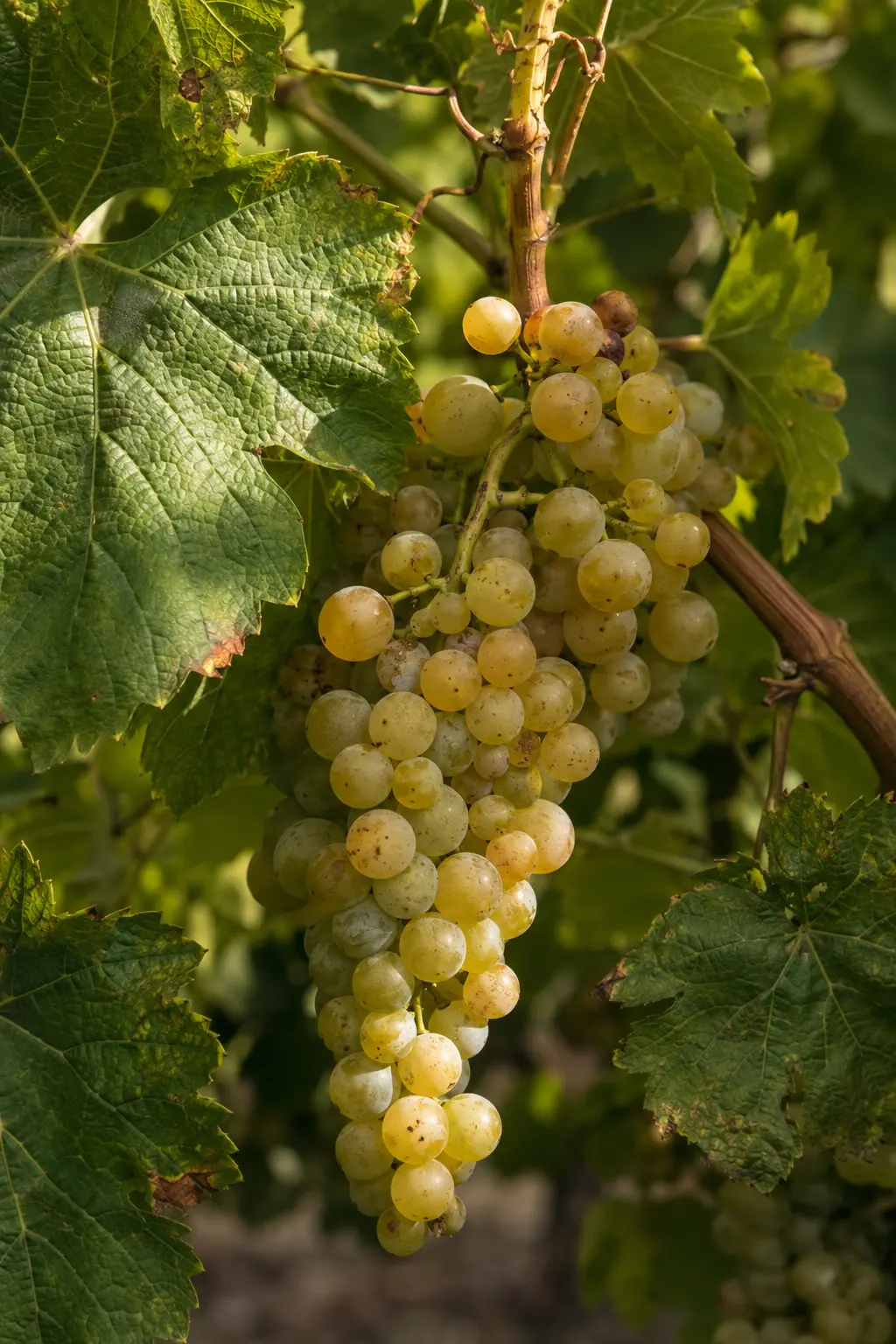
An intensely aromatic pink-skinned grape producing broad, low-acid whites with rose, lychee and exotic spice.
Typical flavour register
In the glass
These scales describe a representative dry expression. Climate, harvest date, yields and winemaking can move an individual wine in another direction.
DrySweet
SoftFresh
SilkyFirm
LightFull
SavouryFruit-led
Where it grows
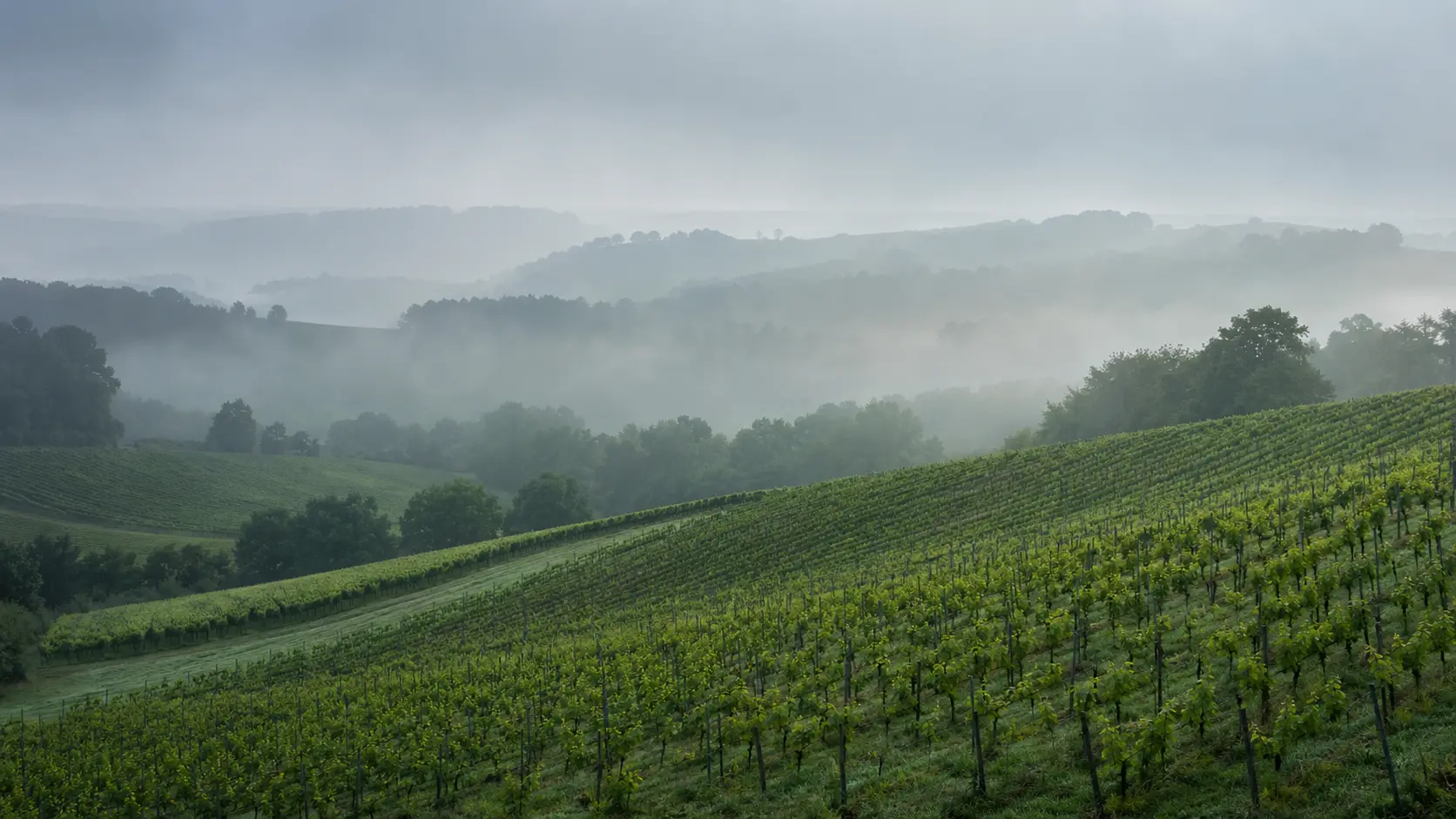
The first country is the grape’s principal reference point; the remaining countries show important established cultivation rather than a complete planting census.
Alsace · Pfalz · Alto Adige
Smaller but established plantings
Smaller but established plantings
Smaller but established plantings
Smaller but established plantings
Three useful expressions
Fresh fruit and stainless-steel ageing keep the wine direct and energetic.
Lees contact, ripe fruit or subtle oak can add breadth without losing freshness.
Selected sites and careful maturation create more layered, cellar-worthy wines.
Handling
At the table
Why Gewürztraminer matters
The name refers to its spicy aromatic character; the grape’s pink skins do not normally produce a pink wine.
The best examples balance the grape’s natural character with climate, soil and cellar choices. Treat the profile as a compass rather than a fixed recipe.