1/5
SweetnessDrySweet
The grape archive
PEE-noh-tazh
South Africa’s signature crossing of Pinot Noir and Cinsaut ranges from juicy red-fruited styles to dense, smoky and age-worthy wines.
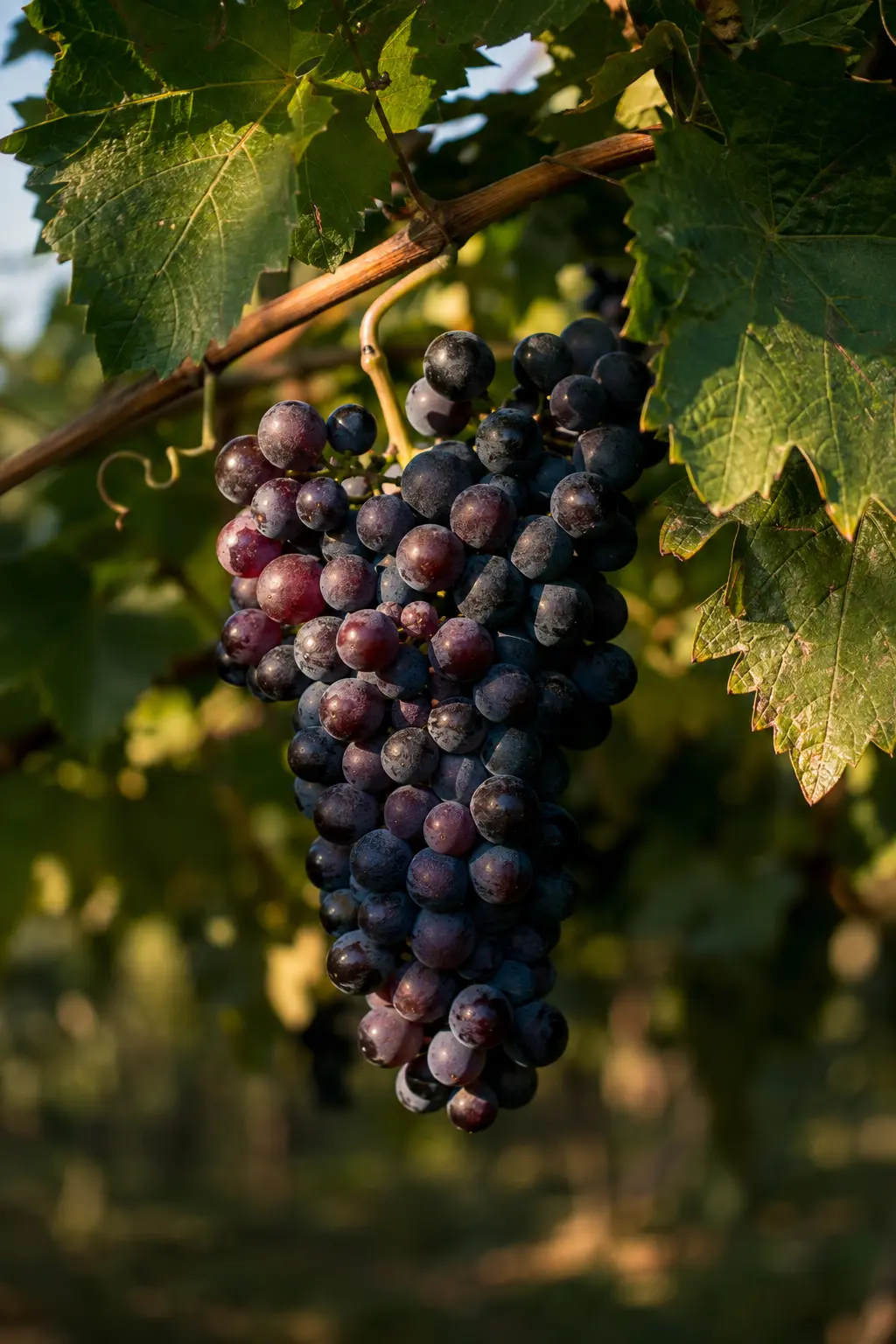
Typical flavour register
In the glass
These scales describe a representative dry expression. Climate, harvest date, yields and winemaking can move an individual wine in another direction.
DrySweet
SoftFresh
SilkyFirm
LightFull
SavouryFruit-led
Where it grows
The first country is the grape’s principal reference point; the remaining countries show important established cultivation rather than a complete planting census.
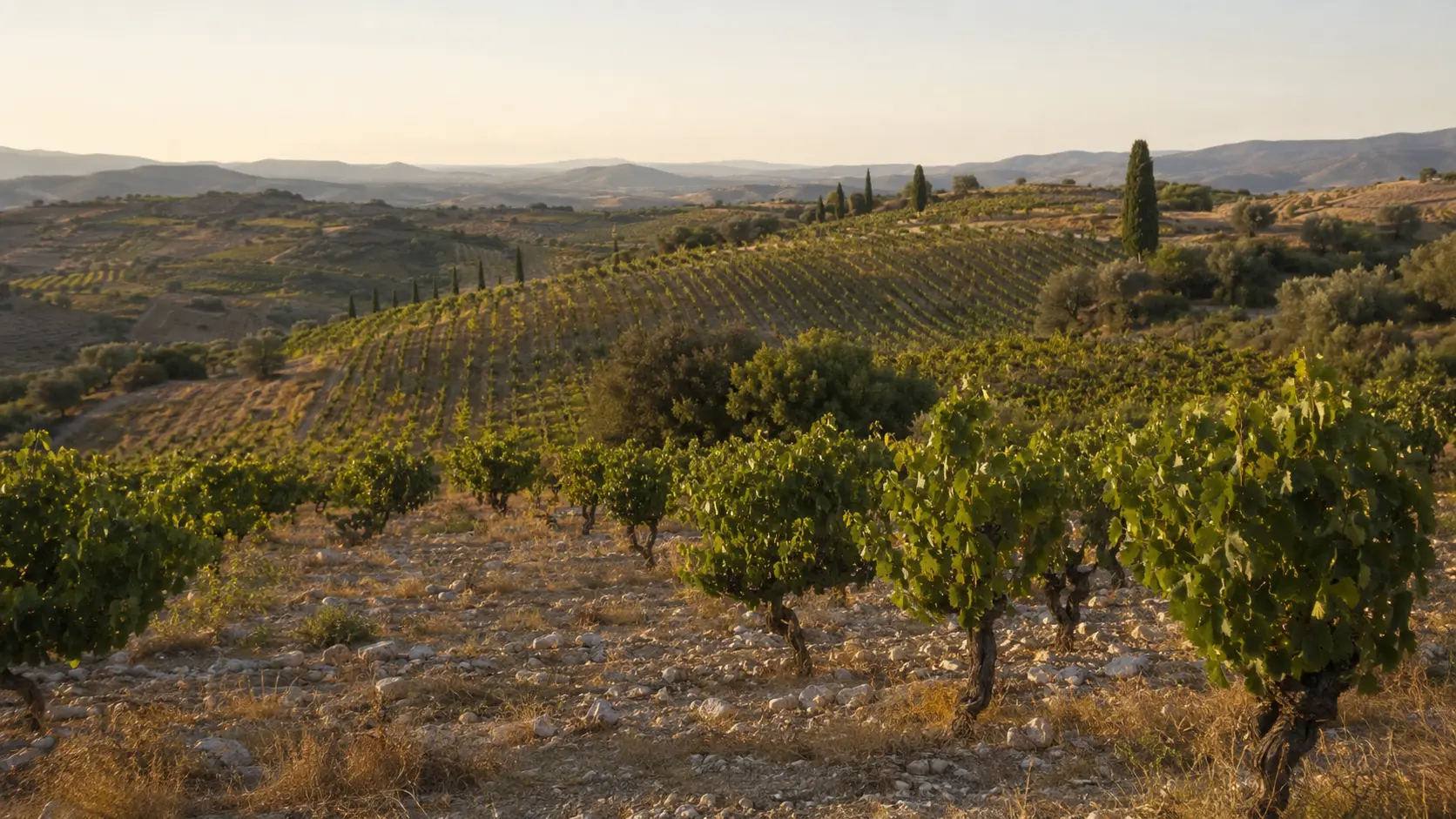
Stellenbosch · Swartland · Paarl
Smaller but established plantings
Smaller but established plantings
Smaller but established plantings
Three useful expressions
Juicy fruit, moderate extraction and little oak emphasise immediate pleasure.
The grape’s familiar balance of fruit, structure, spice and place.
Lower yields, selected sites and careful ageing build concentration and longevity.
Handling
At the table
Why Pinotage matters
Professor Abraham Perold created Pinotage in 1925 by crossing Pinot Noir with Cinsaut, then locally called Hermitage.
The best examples balance the grape’s natural character with climate, soil and cellar choices. Treat the profile as a compass rather than a fixed recipe.