1/5
SweetnessDrySweet
The grape archive
ZIN-fan-del
A genetically Croatian grape that became a Californian classic, producing everything from pale rosé to powerful, jammy old-vine reds.
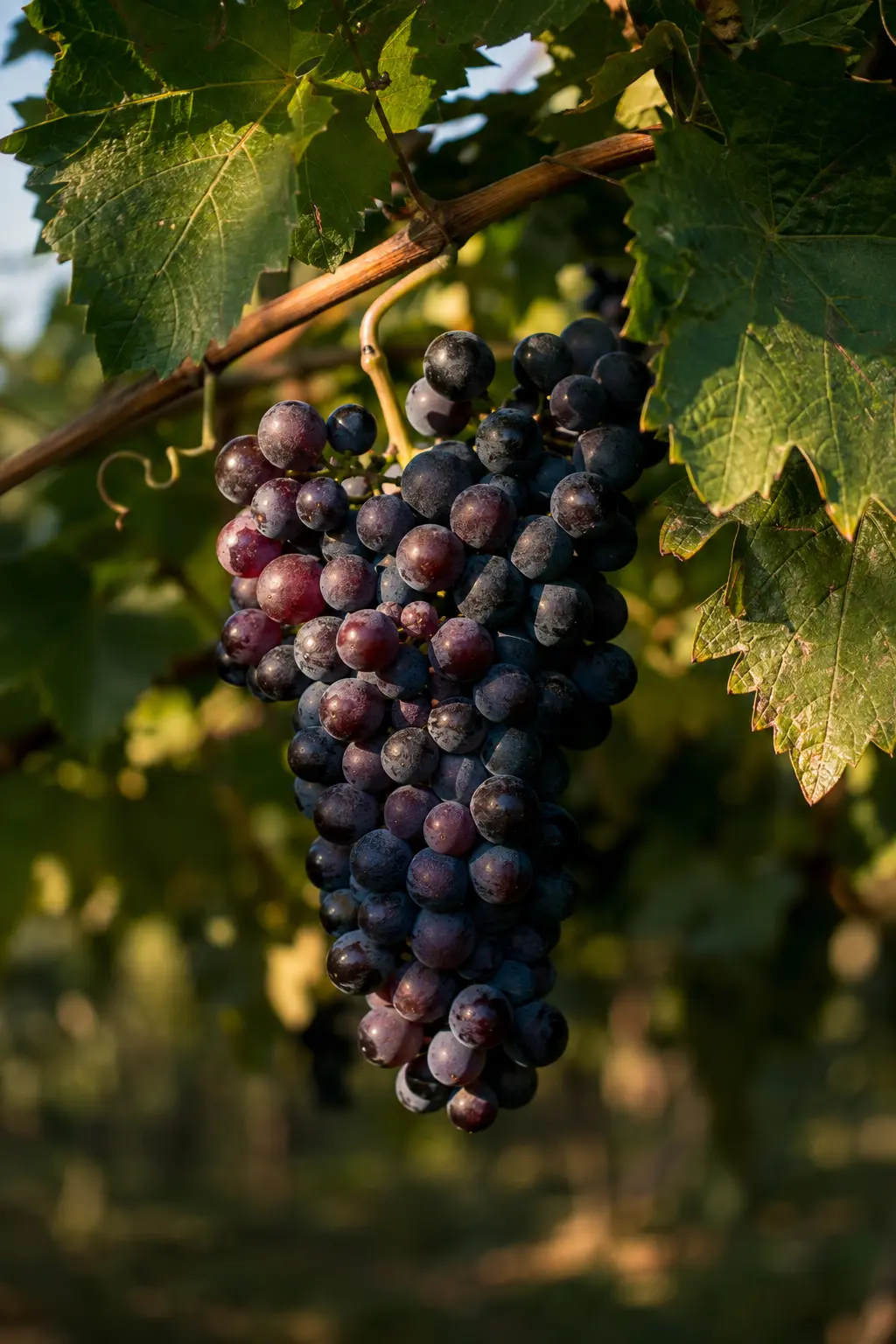
Typical flavour register
In the glass
These scales describe a representative dry expression. Climate, harvest date, yields and winemaking can move an individual wine in another direction.
DrySweet
SoftFresh
SilkyFirm
LightFull
SavouryFruit-led
Where it grows
The first country is the grape’s principal reference point; the remaining countries show important established cultivation rather than a complete planting census.
Lodi · Dry Creek Valley · Paso Robles
Puglia
Dalmatia
Smaller but established plantings
Smaller but established plantings
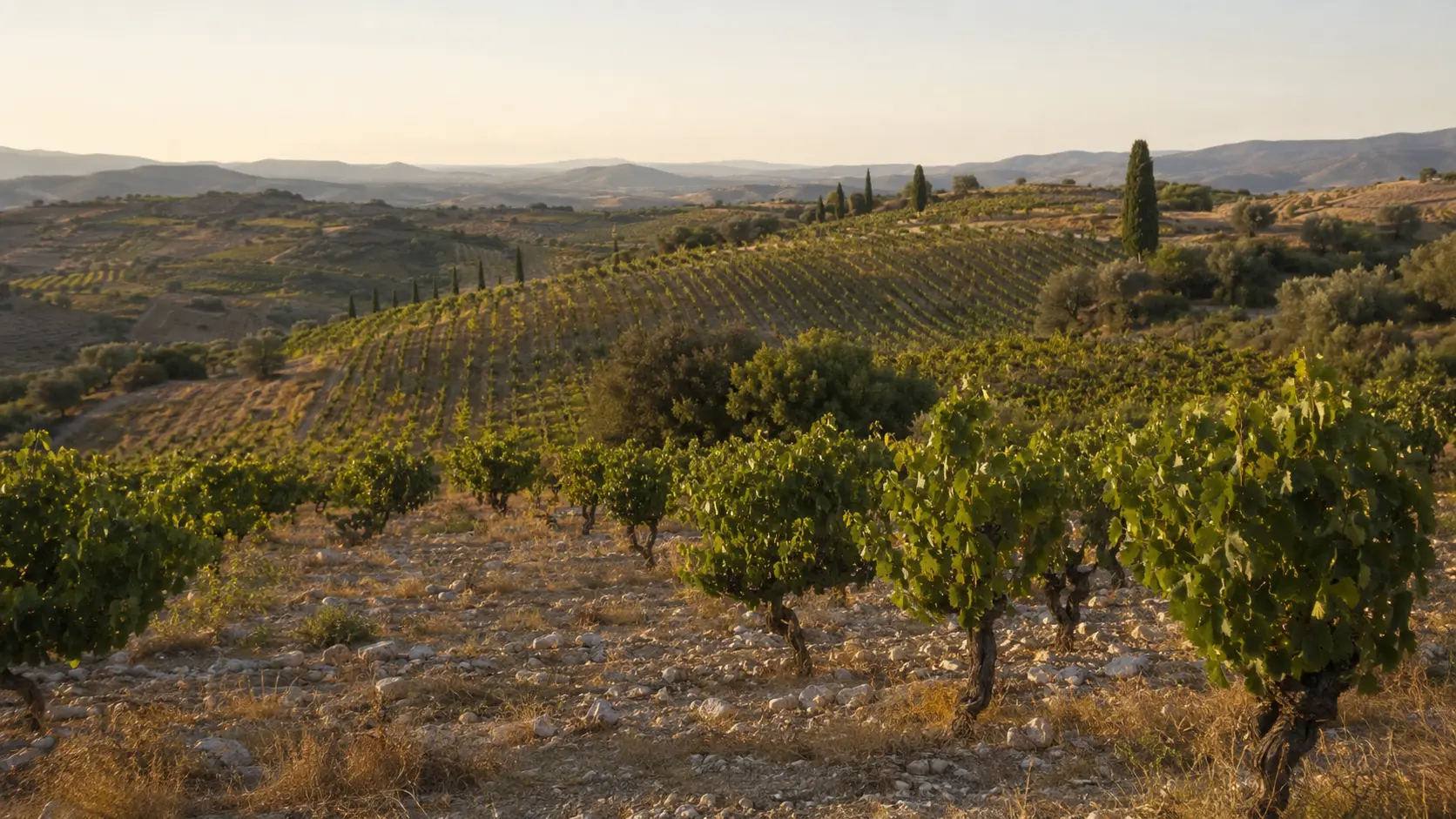
Three useful expressions
Juicy fruit, moderate extraction and little oak emphasise immediate pleasure.
The grape’s familiar balance of fruit, structure, spice and place.
Lower yields, selected sites and careful ageing build concentration and longevity.
Handling
At the table
How we recognise this grape
Zinfandel often combines ripe blackberry and raspberry with jam, black pepper and generous alcohol. Uneven ripening can place fresh and dried-fruit notes side by side. In a Wineflight it may be hard to separate from Primitivo because both names refer to the same genetic variety; a brighter Californian fruit profile is a stylistic clue, never absolute proof.
This is a practical tasting cue from our Wineflight experience, not a fixed recipe: origin, ripeness and winemaking can shift the profile.